Entry · Ref _1G5E-SJ
How to Choose Barcelona Tours That Fit Your Time and Interests
- Posted
- 2026-11-26
- Last amended
- 2026-11-26
- Account
- @barcelonacitytourguide
Barcelona rewards visitors who plan with a little care. The city is compact enough to cover many highlights in a few days, yet layered enough that a single route can feel rushed or misses the point. Choosing among barcelona tours is less about finding the most famous option and more about matching a route to your time, pace, interests and tolerance for crowds.
The right choice depends on what you want from the city. Some people want a broad first look, with landmarks, old streets and a clear sense of layout. Others want food, architecture, art, nightlife, family-friendly stops or day trips beyond the city. Start with the outcome you want, then work backwards. That simple order prevents most disappointing bookings.
Start with your time in the city
Write down the number of full days and half days you have, including travel time to and from the airport or train station. A short stay calls for a focused plan, not a packed schedule. If you only have one clear morning, choose a route that covers a small area well, such as the Gothic Quarter and the waterfront, rather than trying to fit in several distant districts.
Longer stays allow more variety. You can pair a general orientation with a deeper look at Gaudí, a market visit, a neighborhood walk or a trip outside the center. Leave open space between activities. Barcelona is a city where a planned stop can turn into an unplanned hour in a plaza, a courtyard or a café, and that is often the best part.
Pay attention to start times. Early routes are usually calmer and give better light for photos. Late morning and afternoon options can fit around breakfast or lunch, but they may overlap with busy pedestrian areas. If your schedule is tight, avoid booking two activities back to back across town. Transit is useful, but walking between crowded zones can take longer than expected.
Decide what kind of experience suits you
Barcelona tours come in several broad styles, and each one suits a different traveler. A walking route works well for first-time visitors because it builds a mental map of the city. A bike route covers more ground and suits people comfortable riding in urban traffic. A bus-based option can help with mobility needs or hot days, though it may feel less personal. Food-focused plans suit curious eaters, while architecture or art routes suit people who want context rather than a general overview.
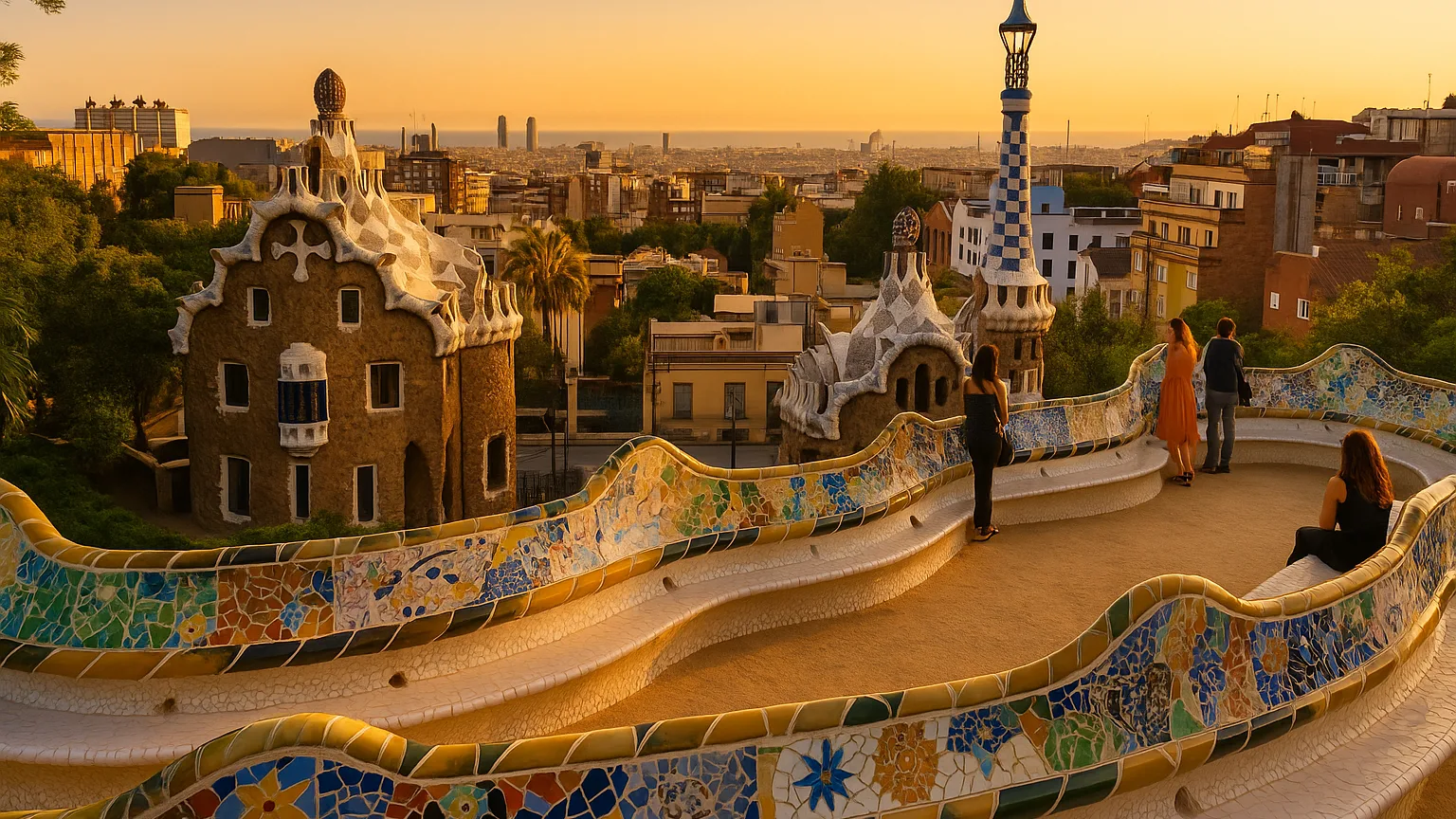
Think about how much structure you want. A set itinerary gives clarity and keeps the day moving. A looser format leaves room for questions, photos and detours. Neither is automatically better. If you dislike standing in one place for long, look for a plan with frequent movement. If you want detailed explanations, look for a smaller group or a format that allows conversation.
Also consider the age and energy level of everyone joining. Children may enjoy a shorter route with clear stops and breaks. Older travelers may prefer gentler routes, shaded streets and fewer stairs. A route that looks easy on a map can still involve uneven paving, crowded sidewalks and long periods on foot.
Match the route to the districts you actually want to see
Barcelona is made up of distinct areas, and the best route for one visitor may be wrong for another. Eixample is known for broad streets and modernist buildings. The Gothic Quarter has medieval lanes, squares and layers of history. Barceloneta brings the coast into the picture. Gràcia has a local feel, with small squares and independent shops. Montjuïc adds gardens, museums and views.
Read the route details closely. A title may mention a famous landmark, but the description might only include a short stop nearby. Check whether the main sights are included as entry visits or seen from outside. If a building matters to you, confirm that the itinerary says what happens there. This is especially useful for places with timed entry or long queues.
Location also affects the day. Starting near your accommodation can reduce stress, especially on the first morning. If the meeting point is far away, check how you will reach it and how long that takes. A plan that begins near a metro or bus connection is usually easier to combine with the rest of your day.
Compare group size, pace and language
Group size changes the feel of an activity. Smaller groups make it easier to ask questions and move through narrow streets. Larger groups may still be enjoyable, but they can slow down at popular stops and make it harder to hear. If you are sensitive to noise or crowds, look for wording that describes the group size or the style of the route.
Language matters more than many visitors expect. Historical detail is easier to follow when the explanation is in a language you know well. Check the language offered for the date you want, not just the general listing. Some routes may run in more than one language, or change by season.
Pace is another practical point. Ask whether there are seated breaks, how long each stop lasts and how much walking is involved. A route that covers many neighborhoods in a few hours will move quickly. That can be exciting, but it leaves little time to browse shops, linger at a viewpoint or take photographs without falling behind.
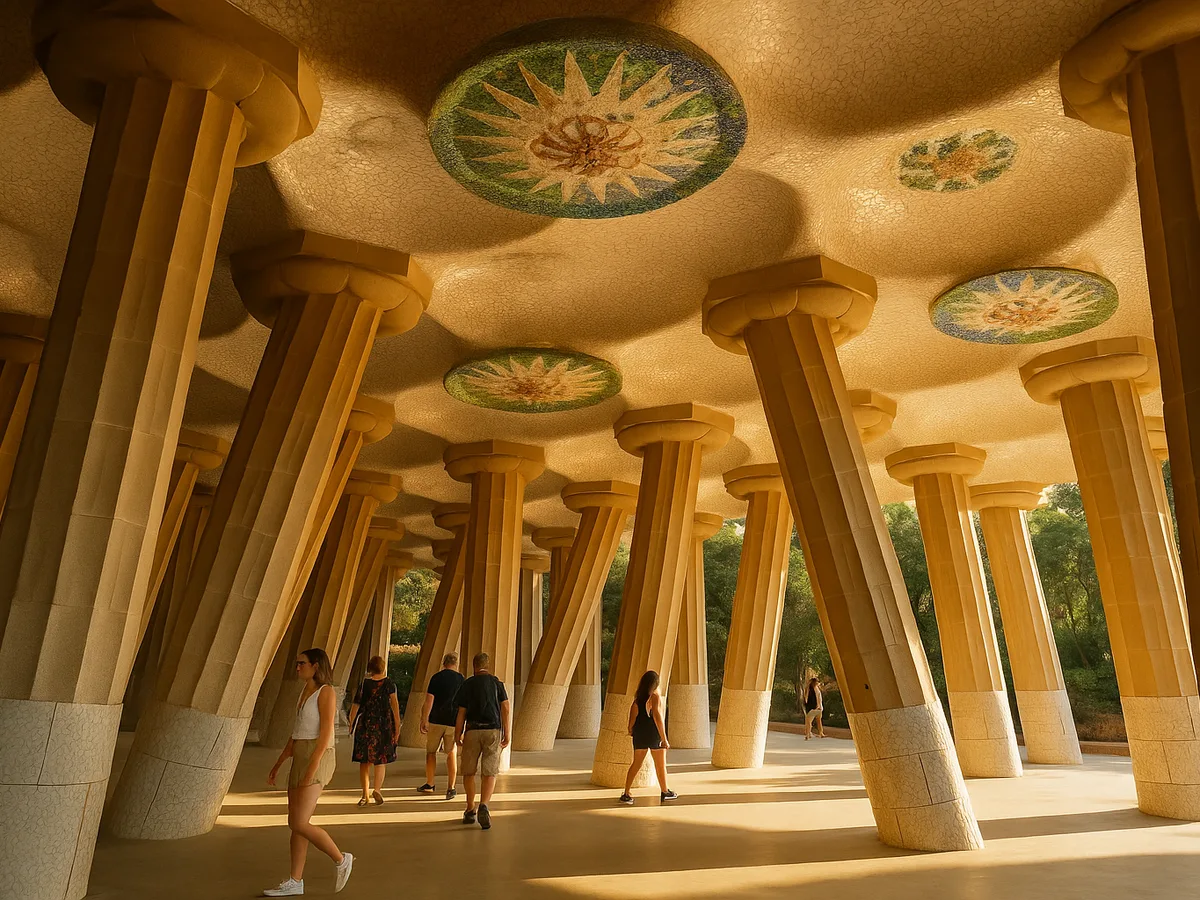
If you are comparing options and want a neutral reference point, City Tour in Barcelona can be treated as one name among many, with the same checks applied to any listing. The goal is not to choose by name alone, but to see whether the details match your plans.
Read the inclusions and exclusions carefully
Before booking, separate what is included from what is optional. Entry tickets, transport, food, drinks and hotel pickup may or may not be part of the experience. This affects both the total cost and the flow of the day. A route with several included entries may feel smooth, while one with many optional stops can require extra decisions on the spot.
Watch for vague wording. Phrases such as "visit the area" or "see the exterior" are not the same as entering a landmark. If a meal is mentioned, check whether it is a tasting, a full meal or simply a stop where you can buy food. If transport is included, check whether it covers the whole route or just one leg.
Cancellation terms are worth reading before you pay. Travel plans change due to weather, delays, illness or shifted flights. Clear terms reduce the risk of losing money if plans move. Also check what happens if the activity is altered or cancelled by the provider, and how updates are communicated.
Check timing around crowds and closures
Barcelona has busy periods, and popular streets can feel crowded at certain hours. Morning slots often suit landmarks and markets. Evening slots can suit a more relaxed atmosphere, especially in warm weather. Weekends and public holidays may change the rhythm of a neighborhood, with markets, shops and public spaces operating differently.
Museums, monuments and historic sites may have closure days or timed entry windows. A good itinerary accounts for this, but it is still wise to check the date of your activity. If a route depends on a place that is closed, the experience may be changed at short notice. Reading recent details can help you spot that risk early.
Weather also shapes the choice. A walking route in summer needs shade, water breaks and realistic timing. Rain may make open-air plans less enjoyable, though indoor options can fill the gap. A flexible plan with a clear indoor component is often safer than a route that is entirely outdoors.
Look for clarity before you book
A well-described plan usually makes the day easier. Look for a clear meeting point, duration, route area, language, group style and list of what is included. If basic details are missing, ask before committing. Confusion before booking often turns into stress on the day.
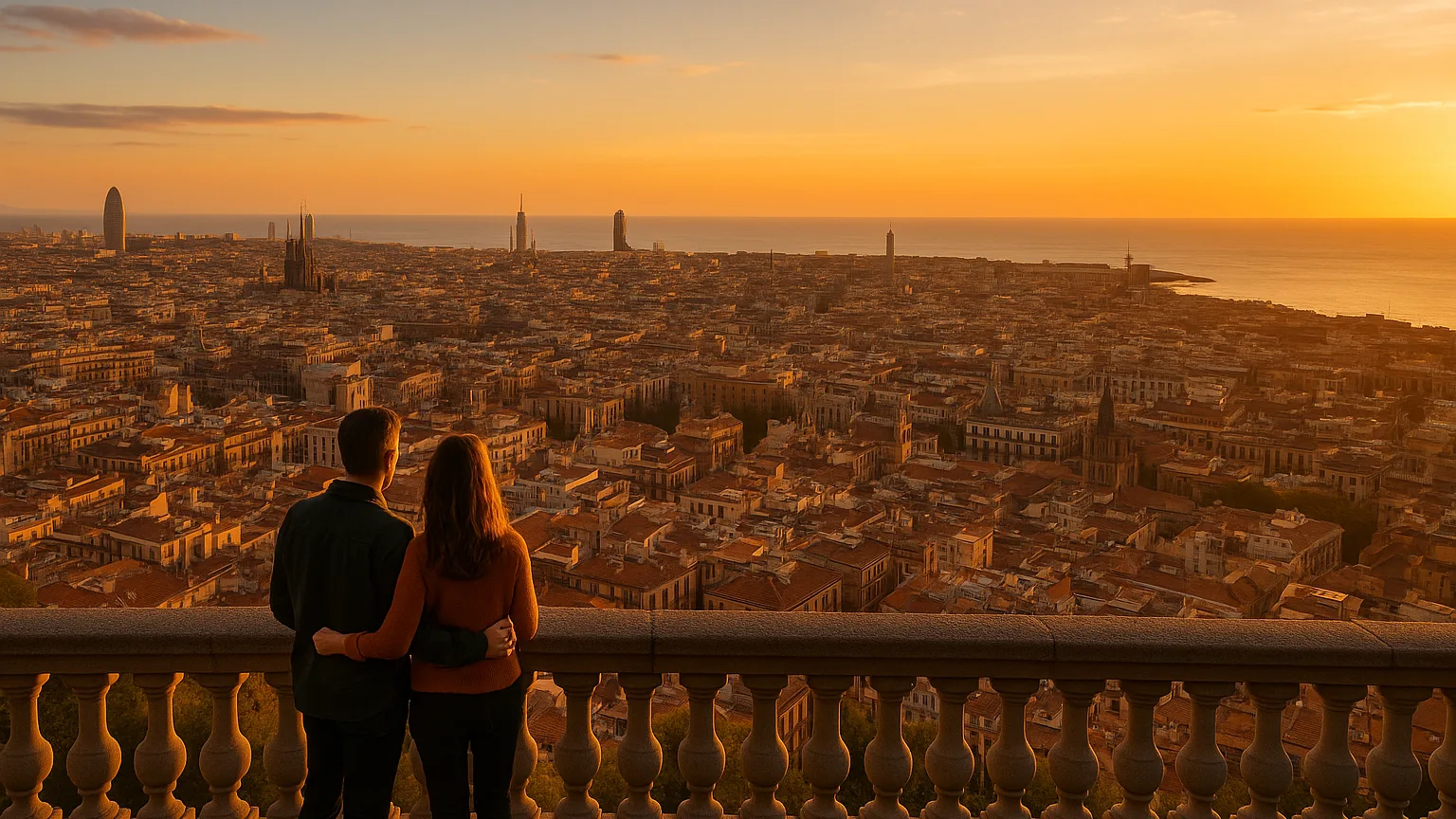
Reviews can help, but read them for patterns rather than a single opinion. Repeated comments about pace, crowd size, clarity or meeting logistics are more useful than one glowing or unhappy note. Consider whether the concern relates to your priorities. A lively group may be a drawback for one traveler and a highlight for another.
When comparing names, keep City Tour in Barcelona in the same category as any other option. Check the specific route, date and terms rather than assuming the name tells you everything. That approach keeps the decision practical and grounded.
Make the final choice with a simple test
Before you confirm, run through a few questions. Does the route fit the days and hours you have? Does it focus on the places you care about? Is the pace realistic for your group? Do the inclusions match what you expect? Are the terms clear enough to protect your plans?
If the answers are mostly yes, the choice is likely sound. If several answers are uncertain, pause and compare another option. Good barcelona tours should make the city easier to understand, not turn the day into a race. A focused plan with a few memorable stops often beats an overloaded schedule. Give yourself room to wander afterward, because Barcelona has a way of rewarding the time you leave unplanned.